
Hydrothermal Carbonization: Why We Need It Now!
What if we told you that soon we’ll have a solution to remove persistent chemicals (PFAS) and convert our human waste to energy, compost, fertilizer, and even clean water?
Hydrothermal carbonization (HTC) is a thermochemical process that converts biomass or organic waste into a carbon-rich product known as hydrochar. This process occurs under high temperature and pressure in the presence of water. While HTC is not a panacea for all environmental challenges, it offers several potential benefits that can contribute to positive changes on the planet.
What’s even more interesting is that the HTC process produces more energy than it takes to process the biowaste and, unlike our current waste manage solutions, all of the products HTC produces can be utilized for a variety of beneficial applications.
Here are some ways HTC can have a positive impact on the planet.
Carbon sequestration
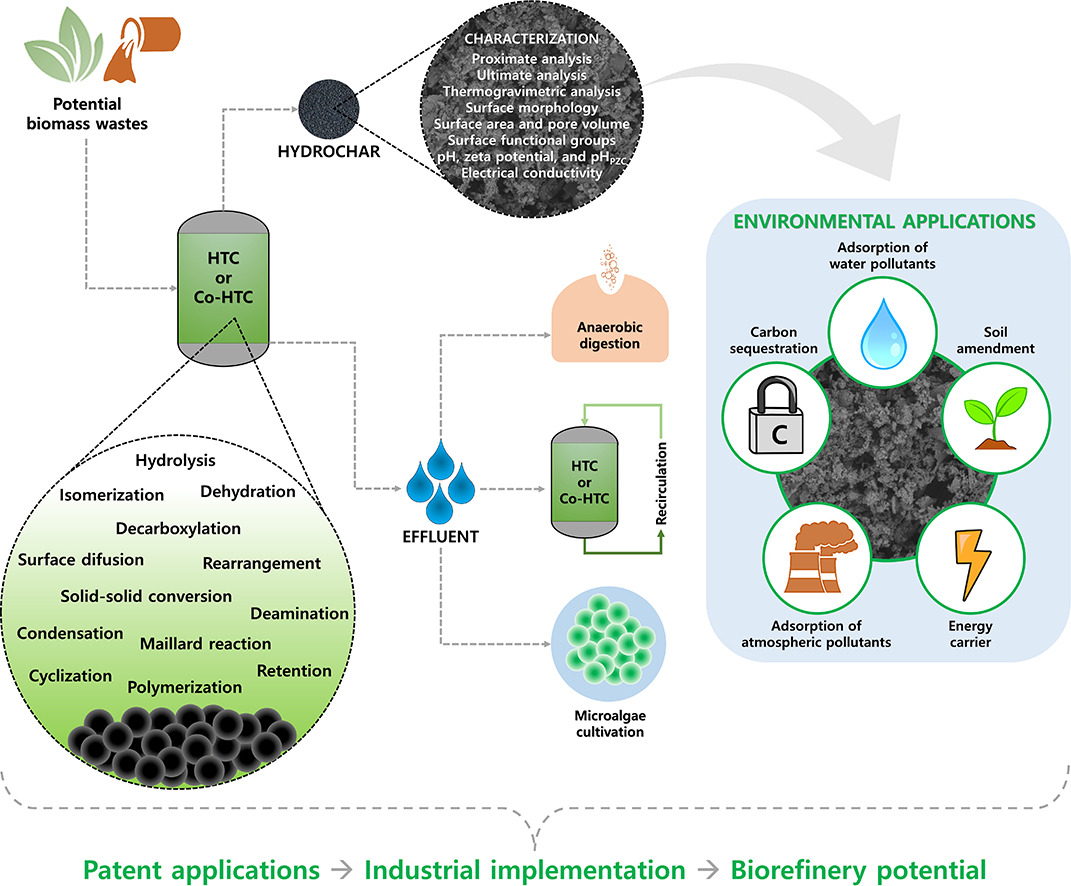
HTC helps to lock carbon from biomass in the form of hydrochar, which has a stable carbon structure. This carbon sequestration mitigates greenhouse gas emissions and helps combat climate change by reducing the carbon footprint.
Waste management
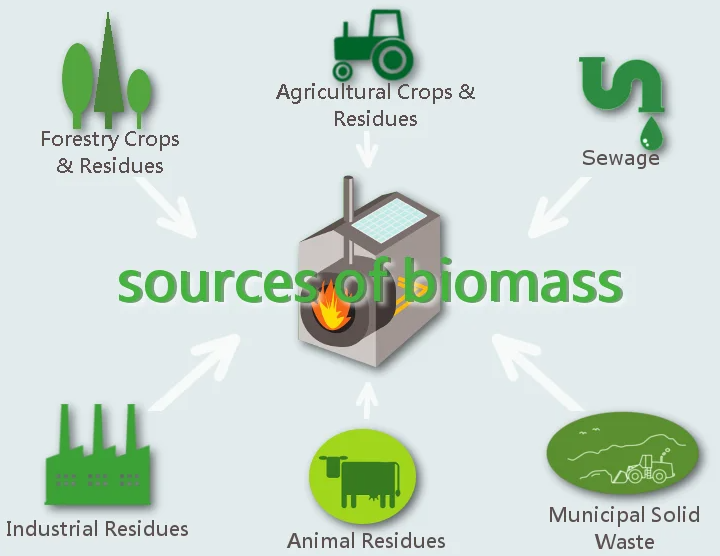
HTC can process various types of organic waste, including agricultural residues, food waste, and sewage sludge. By converting these waste materials into hydrochar, HTC helps divert organic waste from landfills, reducing methane emissions and providing an alternative to conventional waste disposal methods.
Renewable energy generation
Hydrochar produced through HTC can be used as a renewable energy source. It has potential applications as a solid fuel for combustion or gasification, providing a sustainable alternative to fossil fuels. The energy produced from hydrochar can help reduce reliance on non-renewable resources and lower greenhouse gas emissions associated with traditional energy production.
Soil improvement
Hydrochar can be used as a soil amendment to enhance soil fertility and structure. When applied to agricultural land, hydrochar can improve water retention, nutrient availability, and microbial activity in the soil. It also acts as a long-term carbon sink, sequestering carbon in the soil and reducing greenhouse gas emissions.
Water quality improvement
HTC can be applied to wastewater treatment, helping to remove contaminants and organic pollutants from wastewater. The process converts these pollutants into hydrochar, which can be safely disposed of or used as a resource. By treating wastewater and reducing the release of harmful substances into water bodies, HTC contributes to improved water quality and ecosystem health.
It is important to note that the implementation of HTC should consider factors such as the energy requirements of the process, the sustainability of biomass feedstocks, and potential trade-offs in terms of land use and resource competition. However, when properly managed, hydrothermal carbonization can be a promising technology for addressing waste management, renewable energy production, and climate change mitigation.