Building a Successful Sustainable Community: A Blueprint for a Greener Future
In an era defined by environmental challenges, the urgency to build sustainable communities has never been greater. Creating thriving, eco-conscious neighborhoods is essential for preserving our planet and improving the quality of life for future generations. This article presents a blueprint for constructing a successful sustainable community in the United States, encompassing key principles and strategies that can pave the way for a greener and more resilient future.
Vision and Planning
A successful sustainable community begins with a clear vision and comprehensive planning. Engage community members, local authorities, and stakeholders to collectively define sustainability goals, encompassing areas such as renewable energy, waste management, water conservation, transportation, and green spaces. Develop a master plan that integrates these goals, ensuring long-term viability and adaptability to changing environmental circumstances.
Renewable Energy Adoption
Transitioning to renewable energy sources is crucial for reducing greenhouse gas emissions and achieving sustainability targets. Implement solar panels, wind turbines, and other renewable energy systems at both individual and community scales. Encourage energy-efficient building designs, promote net-zero energy buildings, and incentivize the use of clean energy technologies. Foster community partnerships to invest in renewable energy infrastructure and promote energy conservation initiatives.
Sustainable Transportation
Creating sustainable transportation systems is essential for reducing carbon emissions and improving air quality. Develop walkable and bike-friendly neighborhoods, with well-planned pedestrian and cycling infrastructure. Prioritize public transportation options, such as buses, light rail, or electric vehicles, and promote carpooling and ride-sharing services. Implement electric vehicle charging stations and support the adoption of electric vehicles through incentives and infrastructure development.
Efficient Resource Management
Efficient resource management plays a pivotal role in sustainable communities. Implement effective waste management systems, including recycling programs, composting facilities, and waste-to-energy projects. Encourage water conservation through the use of efficient fixtures, rainwater harvesting systems, and community-wide water-saving initiatives. Foster sustainable land use practices, such as urban farming, community gardens, and green building certifications.
Green Building and Design
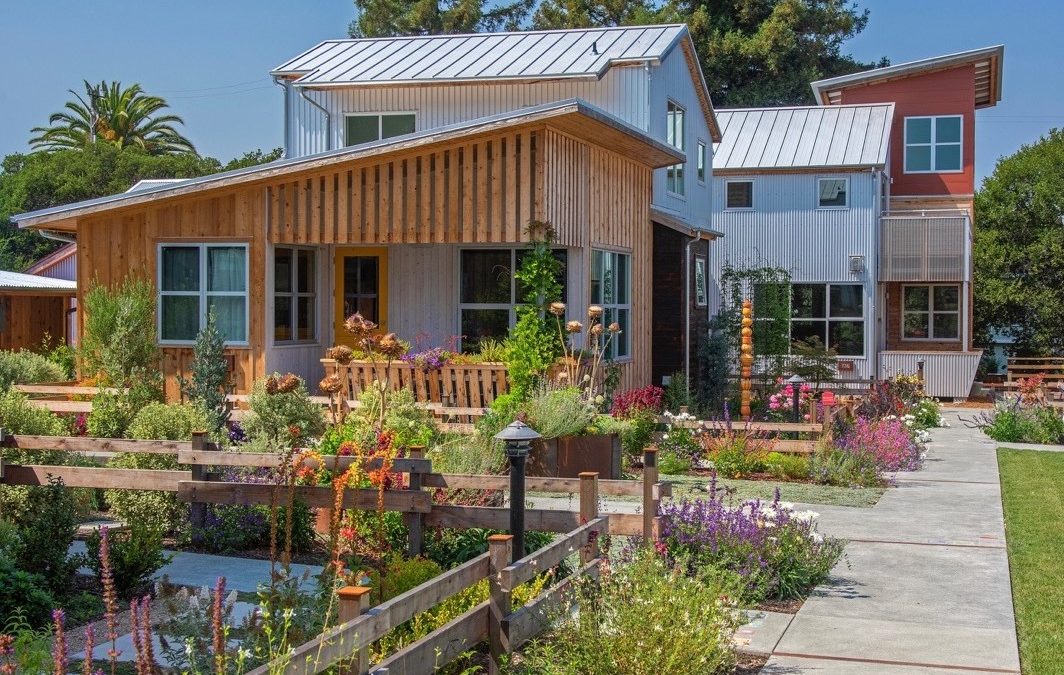
Promote sustainable building practices to minimize environmental impacts and maximize energy efficiency. Encourage green building certifications, such as LEED (Leadership in Energy and Environmental Design), to ensure sustainable construction. Implement energy-efficient designs, use environmentally friendly materials, and encourage the integration of green roofs, vertical gardens, and passive cooling and heating systems. Support affordable housing options that prioritize sustainability and energy efficiency.
Community Engagement and Education
Successful sustainable communities thrive on active community participation and education. Engage residents through workshops, educational programs, and awareness campaigns to foster a culture of sustainability. Encourage community gardens, farmers’ markets, and local food production to promote sustainable food systems. Create platforms for knowledge-sharing, collaboration, and citizen-led initiatives to address community-specific sustainability challenges.
Collaboration and Partnerships
Building sustainable communities requires collaboration among various stakeholders. Foster partnerships between local government, businesses, educational institutions, and community organizations. Seek funding opportunities from federal, state, and local sources to support sustainable projects and initiatives. Encourage public-private partnerships to leverage expertise, resources, and innovation for sustainable community development.
Constructing a successful sustainable community demands a holistic approach that encompasses renewable energy adoption, sustainable transportation, efficient resource management, green building practices, community engagement, and collaboration. By implementing the blueprint presented in this article, communities in the United States can work towards a greener future, minimizing their ecological footprint and setting an example for others to follow. Together, we can build sustainable communities that thrive in harmony with nature and create a legacy of environmental stewardship for generations to come.