Over the past century, housing communities in the United States have undergone significant transformations. From humble beginnings with basic amenities and limited infrastructure, housing communities have evolved into modern, interconnected neighborhoods. As we move forward, the focus has shifted towards sustainability, paving the way for a greener and more efficient future. In this article, we will explore the remarkable journey of housing communities and delve into how sustainability will shape their future.
The Birth of Housing Communities:
In the early 20th century, housing communities emerged as a response to the growing urban population. As industrialization surged, cities faced the challenge of accommodating large numbers of workers in close proximity to factories and workplaces. The concept of housing communities began to take shape, with simple, utilitarian structures providing affordable housing options. These communities were characterized by compact designs, limited green spaces, and a lack of amenities.
The Rise of Suburban Living:
Following World War II, the United States experienced a remarkable shift towards suburban living. The introduction of the Federal Housing Administration and the GI Bill made homeownership more accessible to the masses. Suburban housing communities flourished, offering larger plots of land, detached single-family homes, and increased privacy. This era witnessed the rise of car-centric lifestyles and the development of sprawling suburbs with shopping centers and schools at their cores.
The Transition to Planned Communities:
In the latter half of the 20th century, the development of planned communities gained momentum. These communities were carefully designed with a focus on cohesive aesthetics, improved infrastructure, and shared amenities. Planned unit developments (PUDs) became popular, incorporating diverse housing types, recreational facilities, and green spaces. These communities aimed to create a sense of belonging and foster a higher quality of life for residents.
Smart Technology and Connected Communities:
With the advent of the 21st century, technology began to permeate housing communities. The rise of smart home devices, energy management systems, and advanced connectivity transformed the way residents interacted with their homes. Energy-efficient appliances, solar panels, and smart grids emerged, enabling homeowners to reduce their environmental impact. Additionally, communal spaces and digital platforms facilitated greater social interaction and community engagement.
The Future of Housing Communities: Sustainability Takes Center Stage:
As we look ahead, sustainability will play a pivotal role in shaping the future of housing communities. With mounting concerns about climate change, energy consumption, and resource depletion, communities must embrace eco-friendly practices to ensure a sustainable future. Here are some key areas where sustainability will make an impact:
a) Energy Efficiency and Renewable Energy: The integration of energy-efficient technologies, such as LED lighting, smart thermostats, and insulation, will become standard in housing communities. Renewable energy sources, including solar panels and wind turbines, will help reduce dependence on fossil fuels and lower carbon footprints.
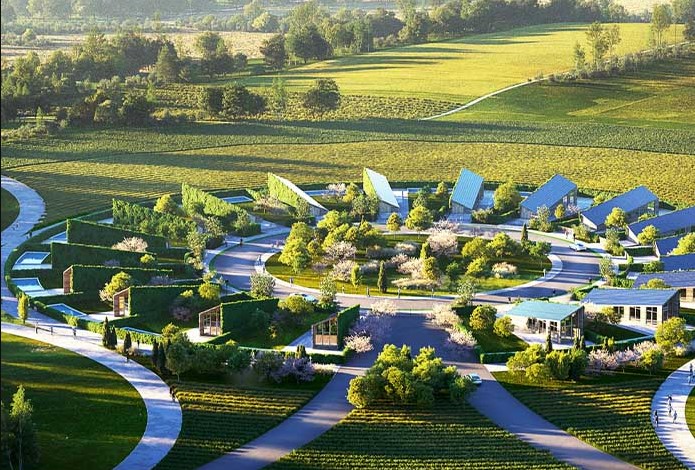
b) Green Infrastructure and Sustainable Design: The incorporation of green spaces, urban gardens, and tree-lined streets will enhance the aesthetic appeal of communities while promoting biodiversity and improving air quality. Sustainable design principles, such as passive cooling and rainwater harvesting, will ensure resource conservation.
c) Walkability and Alternative Transportation: Future housing communities will prioritize walkability and accessibility. Thoughtful urban planning will encourage pedestrian-friendly neighborhoods, convenient public transportation, and the promotion of electric vehicles. This shift will not only reduce traffic congestion but also contribute to improved public health.
d) Community Resilience and Climate Adaptation: Housing communities will increasingly focus on climate resilience and adaptation strategies. This includes implementing measures to mitigate the impact of extreme weather events, such as flooding and heatwaves, through improved drainage systems, green roofs, and resilient infrastructure.
Housing communities in the United States have come a long way over the past century, evolving from basic settlements to interconnected neighborhoods. As we move forward, sustainability will be at the forefront of community development, ensuring a greener, more efficient, and resilient future. By embracing energy efficiency, sustainable design, alternative transportation, and climate adaptation, housing communities will not only reduce their environmental impact but also enhance the quality of life for residents. It is through these collective efforts that we can pave the way for a better tomorrow, where housing communities are not only thriving but also contributing positively to the well-being of both people and the planet.